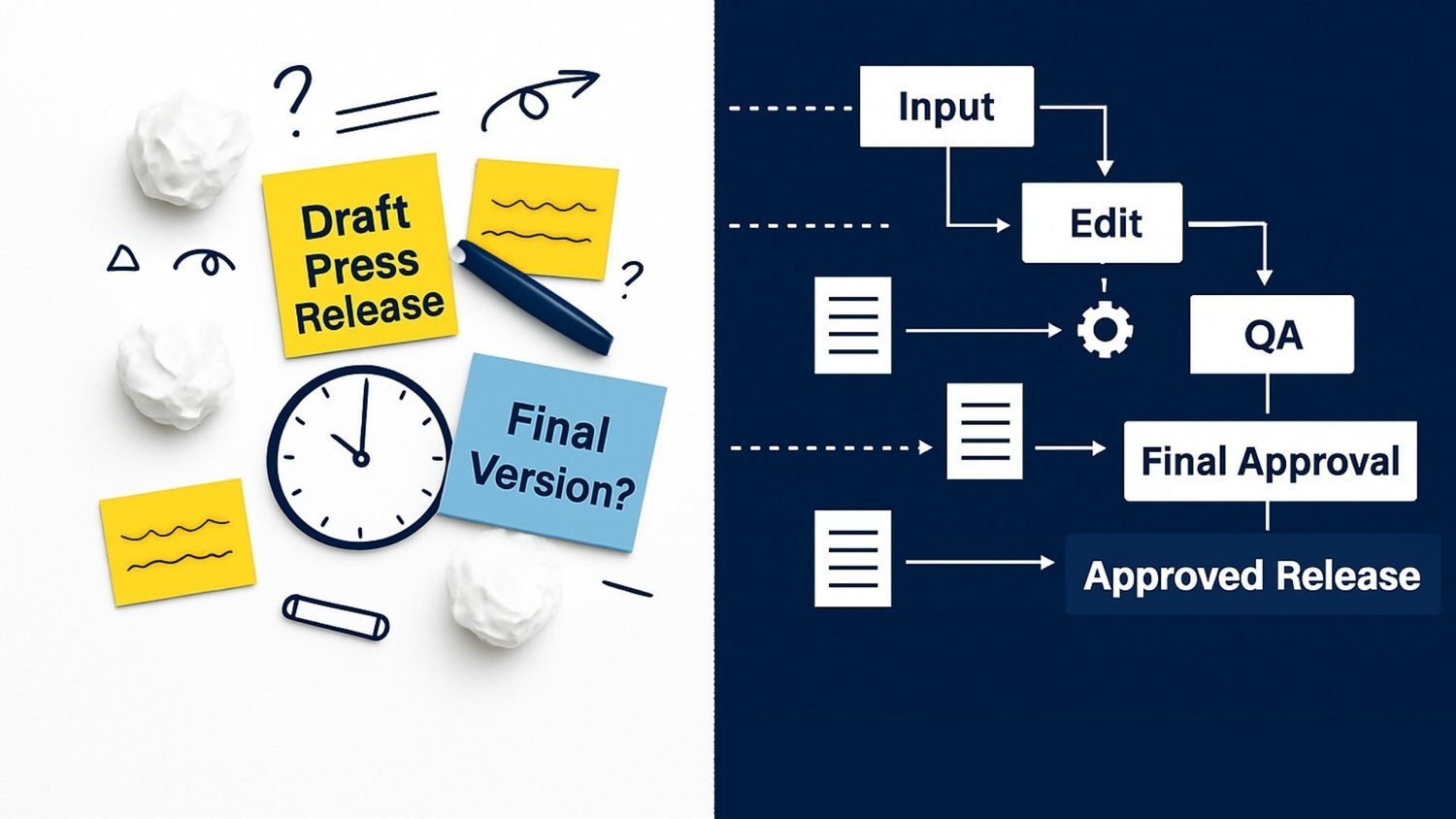
By the time the deck is approved, there is no time left to run the plan
 Gabriel Tan
Founder and Strategy Lead · AIGP (IAPP) · Lean Six Sigma Green Belt
Gabriel Tan
Founder and Strategy Lead · AIGP (IAPP) · Lean Six Sigma Green Belt
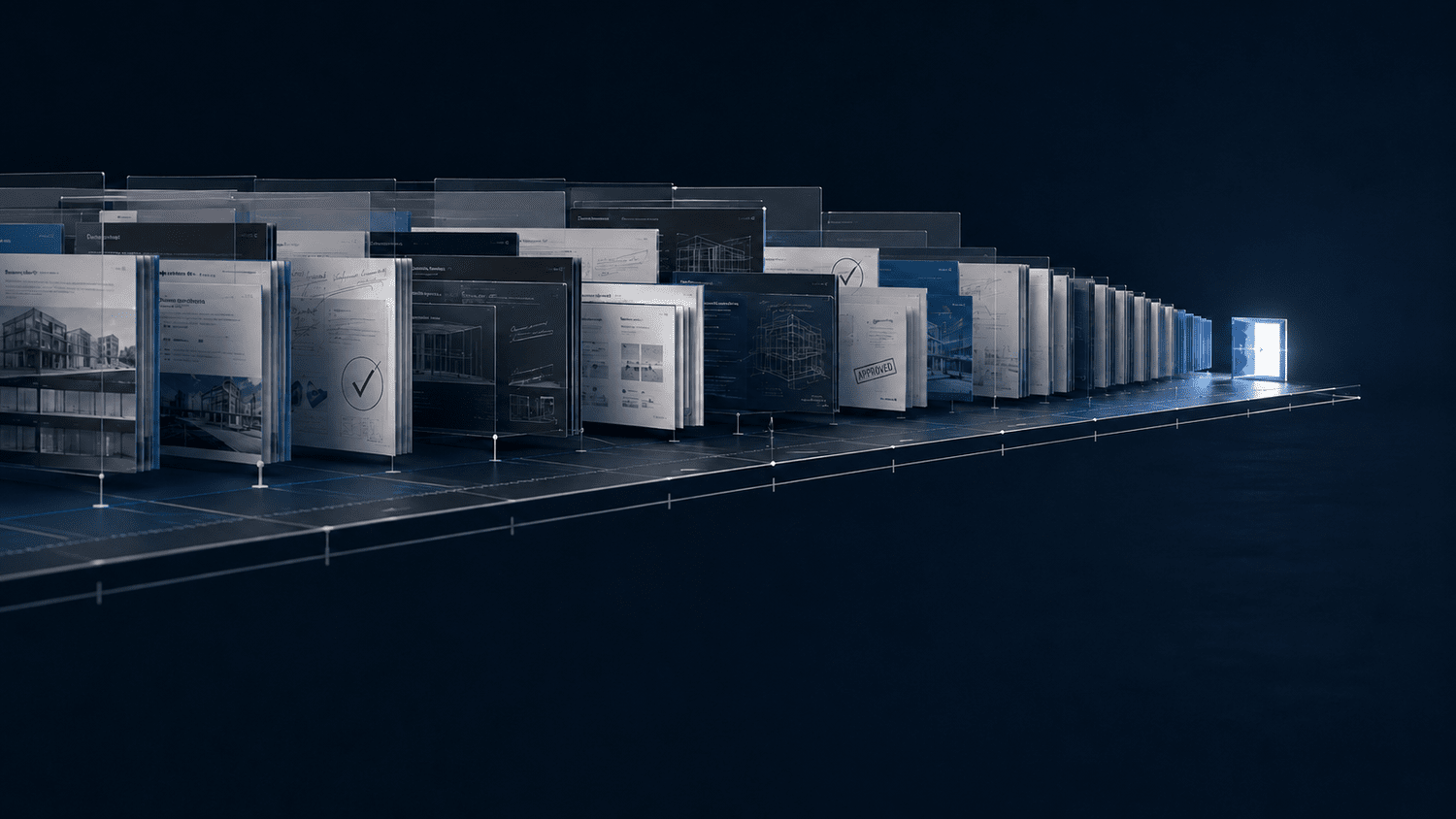
A public relations account manager posted a complaint to the r/PublicRelations forum this month that drew eighty upvotes and thirty-nine replies. She had not expected how much of the job would be making slides.
One reply named the real cost. By the time a planning deck is finally approved, the writer said, there is no time left to execute the actual plan.
Another put it more bluntly. People treat anything sitting in a deck as strategic, so teams spend heavily on making decks and very little on doing what the decks say.
That is not a complaint about design. It is a complaint about where the work is going.
Why the client is paying for the execution and not for the planning deck
A planning deck is not the product. It exists so you and the client agree on how the work will be executed. The execution is the thing being bought.
Put the question the way a client would. Would they rather have a beautifully built planning deck and weak execution, or an acceptable deck and execution that lands? Nobody chooses the first one.
The hours say otherwise. A firm spending more of the window showing how the work will be done than doing it has inverted its own value, and the client is paying for the inversion.
So the deck is worth exactly what it costs you to reach agreement, and not a minute more. Every hour past that point is taken from the part the client actually wanted.
Why the narrative should be settled before the deck exists
The highest-voted reply in that thread argued agencies are too deck-dependent. A deck is a visual asset that supports a narrative. Recommendations, reporting and strategy belong in a document.
When the narrative is unsettled and you are already in PowerPoint, every change to the argument becomes a change to the artifact. Move a recommendation and you rebuild a layout. Cut a section and you renumber the flow. Reorder two points and the visual logic stops working.
You are paying design costs on decisions you have not made yet.
A presentation designer with over eight years in the role, five of them inside PR firms, described her own practice in the same thread. She writes the content outside PowerPoint first, then moves into design once the thinking has mostly settled. Do it the other way round, she wrote, and you make a slide look great, change the content, then redesign the slide to match.
Settle the narrative first and the build becomes straightforward, because there is nothing left to decide while you are laying out slides.
| Editing the narrative inside the deck | Settling the narrative first | |
|---|---|---|
| Where the argument gets agreed | In review, one slide at a time | Before production starts |
| What the client comments on | Emphasis, order, design | The recommendation itself |
| What one change costs | A rebuilt layout | A rewritten sentence |
| What is left for execution | Whatever the approval loop did not eat | The rest of the window |
How to get agreement on the narrative and the visuals separately
Hand a client a finished deck and you are asking them to review three things at once: the argument, the visual choices, and the design. They will comment on whichever is easiest to comment on, and that is always the design.
Split the agreement instead. Get them to agree the narrative in prose, on its own. Then show the visuals in greyscale, with no branding and no design, and get agreement on those.
By the time you build, the client has bought into the argument and the broad visuals. The build is assembly.
The four stages we use, and what the client approves at each one
Stage one is a rough outline. Section order and the argument in note form. Confirm the outline is right before a sentence gets drafted, because an outline takes ten minutes to change and a deck takes a day.
Stage two is the written content for every slide. For each one, the headline, the content beneath it, and a description of the visual you intend to use. It reads as a document. This is the draft the client approves, and approving it means the narrative is agreed before anyone opens PowerPoint.
The visual description is the part teams skip, and it is the part that makes the rest work. Writing "bar chart, three years of fee income, ours against the two competitors named in the brief" takes fifteen seconds and turns the build into assembly.
Stage three is the greyscale deck, built from the approved written draft, carrying the full structure and every visual with no colour. We generate ours in Claude straight from the stage two document. Greyscale is faster to produce, and a deck that looks unfinished invites notes on structure rather than on the shade of blue.
Stage four is full colour. Run the stage three comments, then finish the design.
| Stage | What you produce | What the client is agreeing to |
|---|---|---|
| 1. Rough outline | Section order and argument in note form | The shape, before anything is written |
| 2. Written content per slide | Headline, content and visual description for each slide. | The narrative itself |
| 3. Greyscale deck | Full structure and every visual, no colour | Flow, sequence and what each slide shows |
| 4. Full colour | The finished deck | Nothing new, it was agreed at stages two and three |
What to change on your next planning deck
Go back to that account manager, three days from a deadline, still moving boxes on slide fourteen.
Nothing in her week went on bad work. It went on making a settled argument look finished, and on making an unsettled one look settled.
Agree the narrative in writing, agree the visuals in greyscale, then build once. The deck stops being where you think and goes back to being where you show, which leaves the window for the work the client is paying for.
Gabriel Tan is the founder of Mekong Bridge Advisory, the lean consultancy for PR and IR agencies.
info@mekongbridge.com | www.mekongbridge.com